Can You Find Name-Brand Products at a Bin Store?
A familiar brand name can make you stop digging through a bin. Maybe you spot a kitchen gadget from a company you recognize, a toy in its original box, or a pair of headphones that looks like something you have seen in a regular store. So, can you really find name-brand products at a bin store?
Yes, it is possible. But finding a recognizable label is only the beginning. The real win is knowing how to check the item, compare its value, and decide whether it belongs in your cart.
Why Name-Brand Items Can Show Up in Bin Stores
Bin stores often sell merchandise that moves through liquidation and other secondary retail channels. That merchandise may include overstock, customer returns, products with discontinued packaging, or items retailers have removed from their usual shelves.
A product does not automatically lose its usefulness because it is no longer being sold through its original retail channel. A perfectly ordinary item might be part of an excess inventory lot, while another could have damaged packaging or missing parts.
That variety is what makes treasure hunt shopping interesting. You are not walking down aisles where every product has a dedicated shelf. You are sorting through changing assortments, so the next recognizable brand might be underneath an item you were not expecting to see.
What Types of Name-Brand Products Might You Find?
The possibilities can span several everyday categories. Depending on the assortment, bargain hunters may come across electronics accessories, toys, home organization products, kitchen tools, small appliances, clothing, beauty items, or household supplies.
Think beyond big-ticket purchases. A recognizable brand on a storage container, phone charger, cleaning tool, or set of kitchen utensils can be just as useful as a flashy electronic gadget.
Start with categories you actually need. If you are replacing a worn-out kitchen tool, look there first. If you have kids, check toys and practical family items. This approach keeps the fun of discovering something unexpected without turning every interesting box into an impulse purchase.
How to Recognize a Good Find
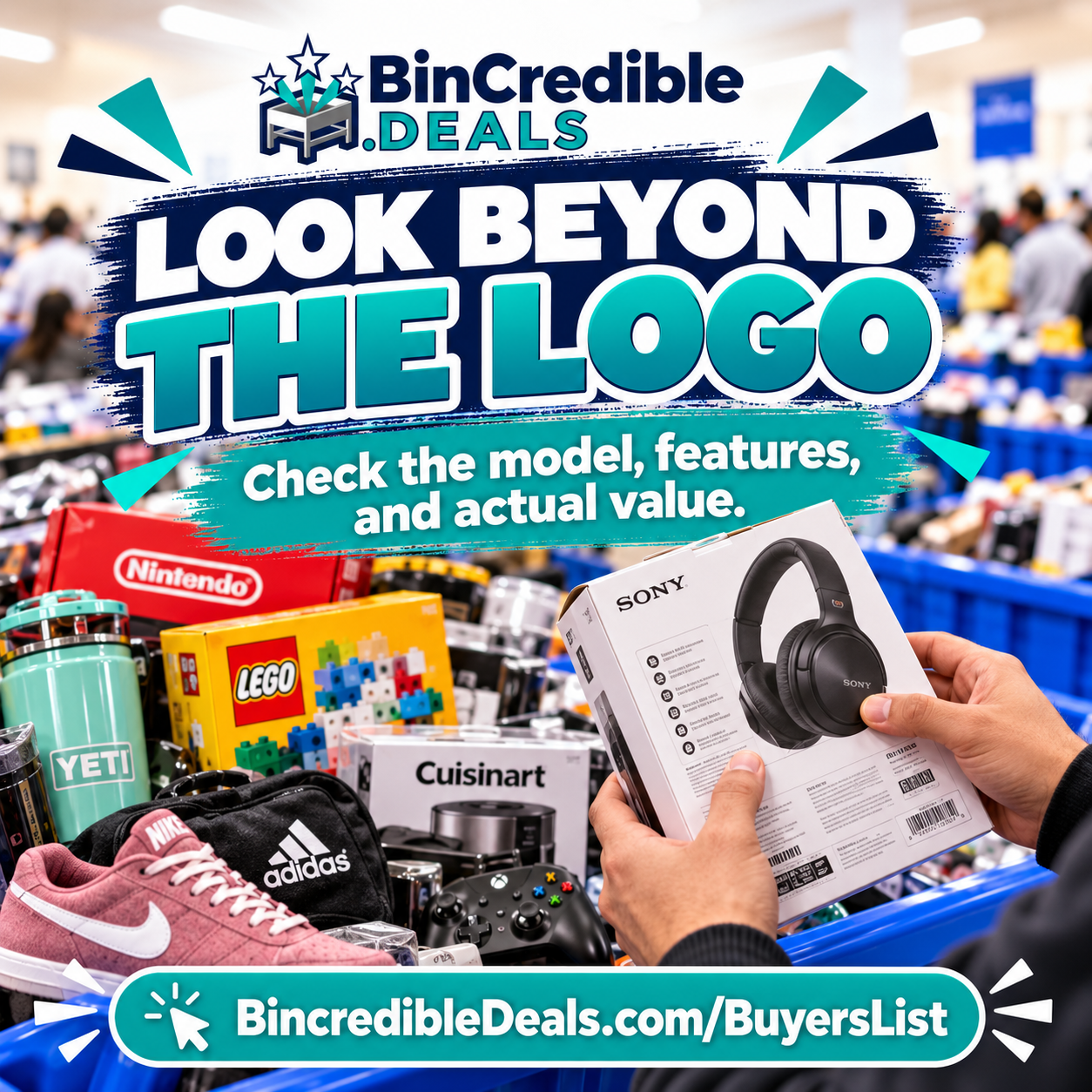
A familiar logo catches your eye, but it should not make the decision for you. Pick up the item and look for its exact model, size, features, and intended use.
For electronics and appliances, compare model numbers rather than relying on the brand alone. Two products from the same company may have very different features or usual prices. For clothing and shoes, check sizes, materials, and visible wear. For toys, confirm that the contents seem complete and appropriate for the intended age group.
Packaging also deserves a closer look. A crushed corner does not always mean the product is damaged, but a sealed-looking box does not guarantee everything inside is perfect.
When possible, check the product itself, not just the picture printed on the box.
Check Condition Before You Get Excited About the Price
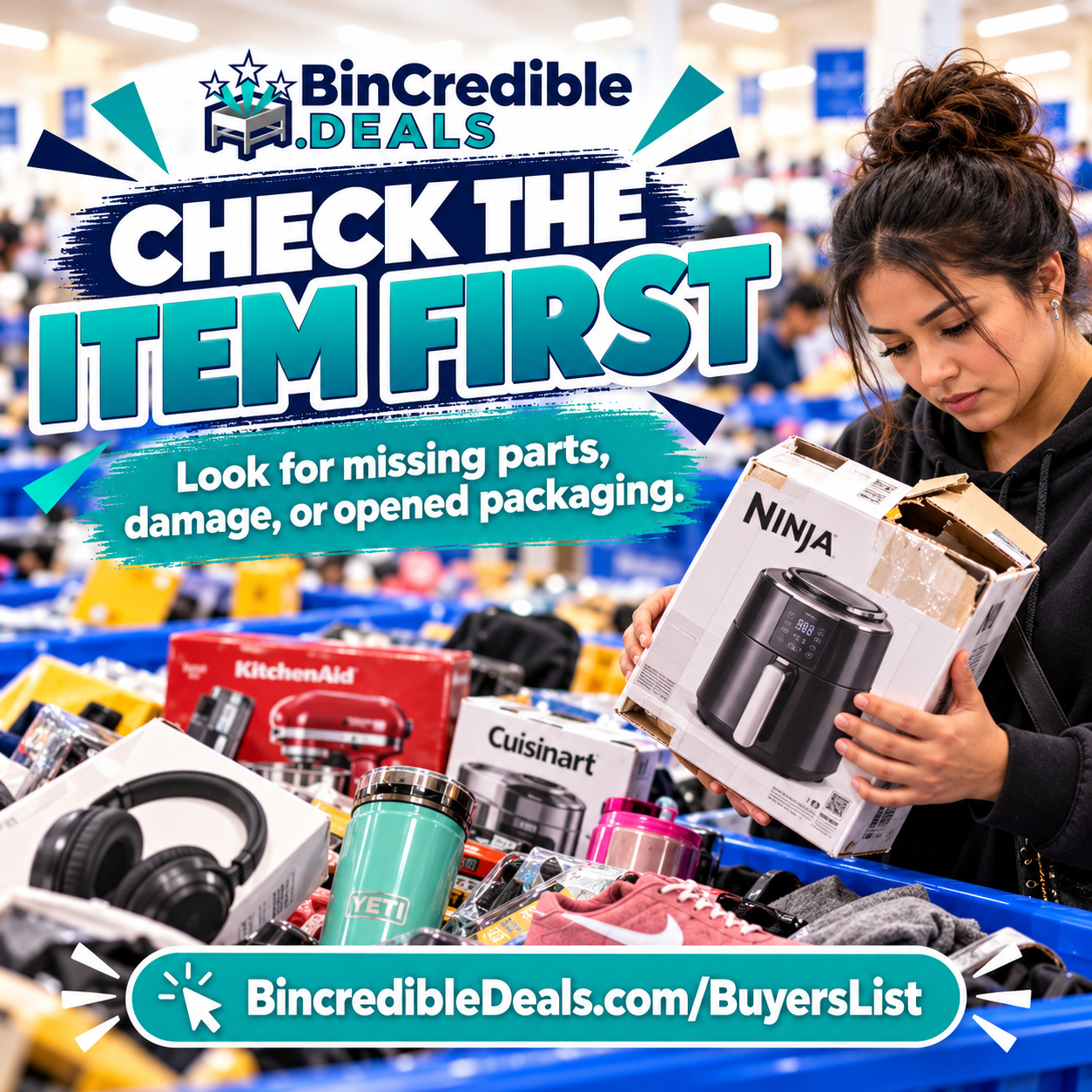
One of the smartest habits in any discount store is examining an item before buying it. A low price does not help if the product cannot do what you need.
Look for cracks, dents, loose connections, broken seals, missing accessories, or obvious signs of use. With items that require power, check the plug, cord, battery compartment, and other visible components. Only test an item when the store permits it and suitable testing is available.
For cosmetics or personal-care products, pay attention to seals, expiration dates when applicable, and signs of tampering. Avoid buying products that appear opened or questionable for personal use.
If authenticity matters, look closely at the labeling and product details. A recognizable logo alone cannot confirm that an item is genuine. You can compare the model and packaging with information from the manufacturer's official website.
Compare the Deal, Not Just the Brand
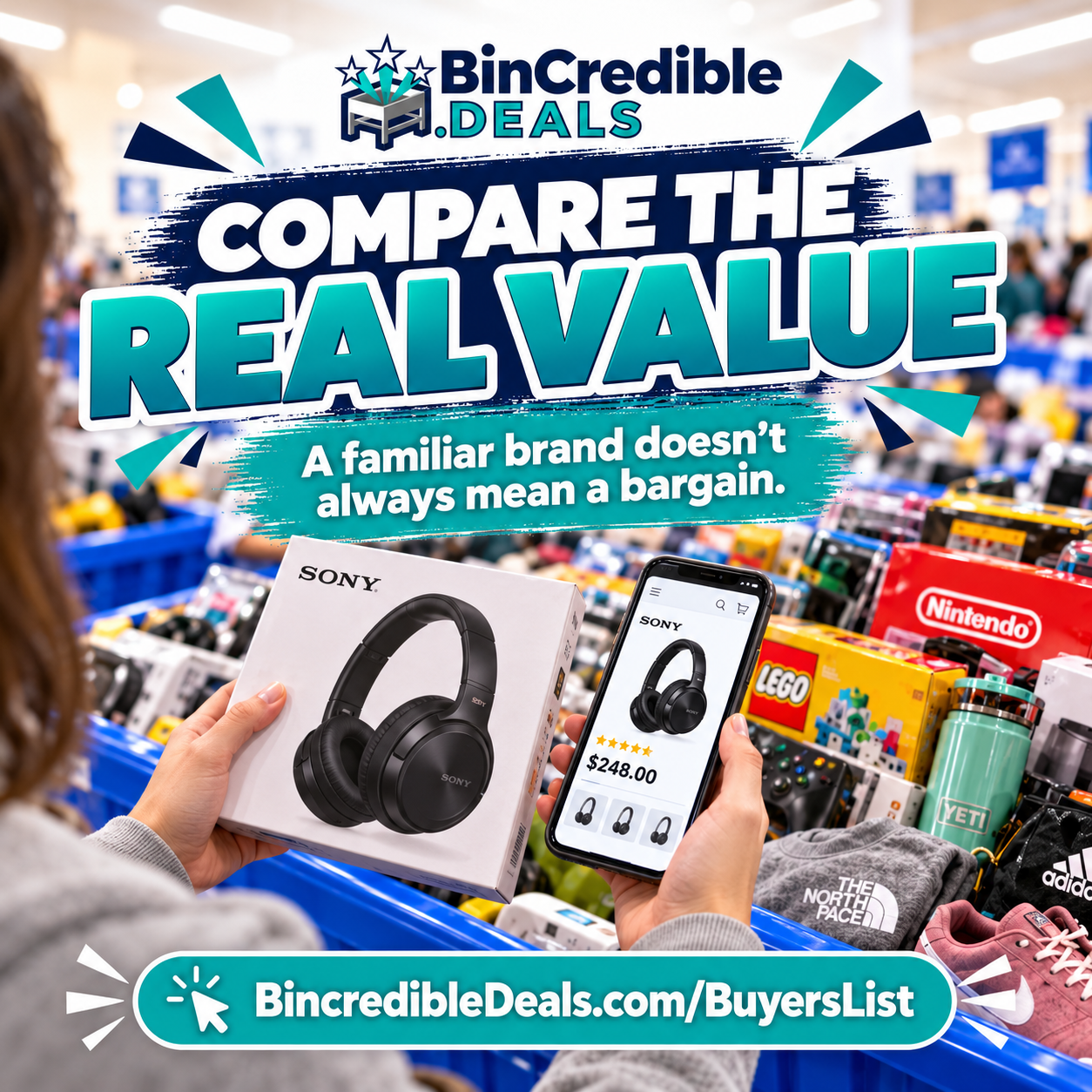
It is easy to assume that every famous brand comes with a huge discount. The better question is whether the particular item offers good value at the price you see.
Check what the same model typically sells for through trustworthy retailers. Be sure you are comparing the same version, size, or package quantity. A newer model, a refurbished unit, and an older edition may have different values.
Then consider condition and completeness. An inexpensive appliance missing an essential attachment may cost more to make usable. A basic household item in good condition could be the better purchase, even if it is less exciting.
A helpful rule is simple: If you would not use it at home, do not buy it only because the label is familiar.
Make Your Visit More Productive
Before heading to BinCredible Deals, make a short list of useful items you would love to find. Include flexible categories instead of expecting one specific model to be waiting in a bin.
Give yourself time to browse carefully. Look beneath larger boxes, read labels, and inspect promising finds before committing to them. If you are shopping with family, agree on a spending limit so everyone can enjoy the search without stretching the budget.
Because bin-store selections can change, one visit may look different from another. Treat a name-brand discovery as a possibility rather than a promise.
The best bargain shopping combines curiosity with a little patience and a clear idea of what you need.
The Best Find Is One You Will Actually Use
Yes, name-brand products can turn up at bin stores, and that is part of the appeal. But a great find is not simply an impressive logo. It is an item that fits your needs, passes your checks, and makes sense for your budget.
At BinCredible Deals, the fun is in exploring the bins and seeing what useful surprises you might uncover. Bring your list, inspect your finds, and enjoy the treasure hunt.
Want to know when new deals and updates are available? Join the BinCredible Deals Buyer List and stay connected.
Frequently Asked Questions
1. Can you really find name-brand products at a bin store?
Yes. Bin stores can carry recognizable brands alongside lesser-known products. The exact selection depends on the merchandise available, so specific brands are never guaranteed.
2. Why are name-brand products sold at bin stores?
Some name-brand merchandise reaches bin stores through liquidation, overstock, returns, or other inventory channels. Products can leave traditional retail shelves for several reasons.
3. Are name-brand products at bin stores always new?
Not necessarily. Some items may be unused, while others could be customer returns, open-box merchandise, or products with damaged packaging. Always check their condition.
4. Can you find name-brand electronics at a bin store?
It is possible to find electronics and accessories from recognizable brands. Check model numbers, visible condition, included components, and compatibility before purchasing.
5. Are name-brand products cheaper at bin stores?
They can be, but not every item is automatically a bargain. Compare the item's price with comparable retail listings and consider its condition.
6. How can you tell if a name-brand product is authentic?
Examine the logo, packaging, labeling, and model information. Compare these details with official manufacturer information. If authenticity remains uncertain, consider passing on the item.
7. Does damaged packaging mean the product is defective?
No. Packaging may become damaged during handling or shipping even when the product is usable. However, inspect the contents because packaging condition alone cannot establish product quality.
8. Can you find the same name-brand products on every visit?
Not necessarily. Bin-store assortments can change as different merchandise becomes available. A particular brand or model may appear during one visit but not another.
9. What name-brand items are worth looking for?
Useful household items, kitchen accessories, toys, clothing, electronics accessories, and small appliances can be worth examining. Focus on products you need and can confidently evaluate.
10. What is the best way to shop for name-brand deals at BinCredible Deals?
Bring a flexible shopping list, set a budget, explore the bins carefully, and inspect items before purchasing. Focus on practical value rather than buying something just because the brand is familiar.
