Why Are Items Sold As-Is at a Bin Store?
Why Are Items Sold As-Is?
A low price can make an item feel like an easy yes, but smart bargain shopping includes one important step before you buy: checking the item carefully. At a bin store, products may be sold as-is, which means you are purchasing them in their current condition.
That does not automatically mean something is broken or not worth buying. It means the shopper plays an active role in deciding whether the condition, completeness, and usefulness of the item make sense for the price. Understanding that responsibility can help you shop with more confidence and avoid surprises after you leave the store.
What Does “As-Is” Mean?
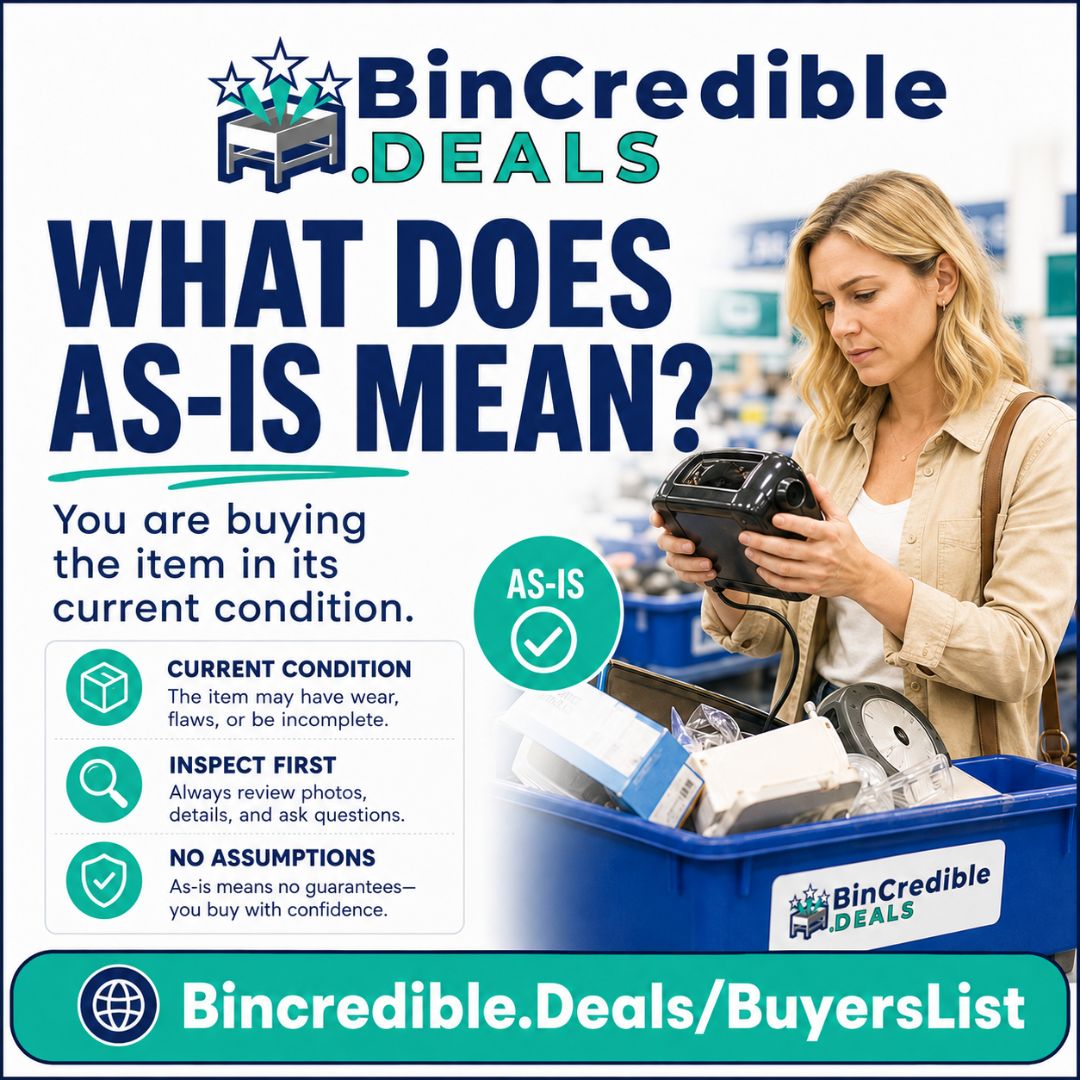
When an item is sold as-is, it is offered in the condition you see at the time of purchase. The packaging may be open, damaged, missing, or different from what you would normally see in a traditional retail store. An item may show signs of handling, or it may be missing a small part or accessory.
The phrase does not tell you the exact condition of every product. One find might appear unused, while another may need cleaning, a replacement cord, or a minor fix. That is why shoppers should look at each item individually instead of assuming that all products in the bins are the same.
Store policies can vary, so read posted information and ask a team member if you are unsure what applies. The most important habit is simple: inspect the item before you commit.
Why Bin Stores Use an As-Is Model
Bin stores create a different shopping experience from regular retail. Products are placed in bins for shoppers to explore, compare, and evaluate. The treasure-hunt setup makes it possible to discover electronics, toys, tools, home goods, clothing, small appliances, cleaning supplies, cosmetics, gifts, and other useful finds in one visit.
A simpler as-is sales model helps keep the process practical. Instead of every product being individually prepared and presented like traditional store merchandise, shoppers do part of the evaluation themselves. That responsibility is part of the tradeoff behind bargain shopping.
In other words, lower prices often come with a little more homework. The value is not only in finding something inexpensive. It is in finding an item that works for your needs after you have checked what you are getting.
Inspect the Item, Not Just the Price
A low price can be exciting, especially when you recognize a useful product or a familiar brand. Still, the price should not be the only reason you place something in your cart.
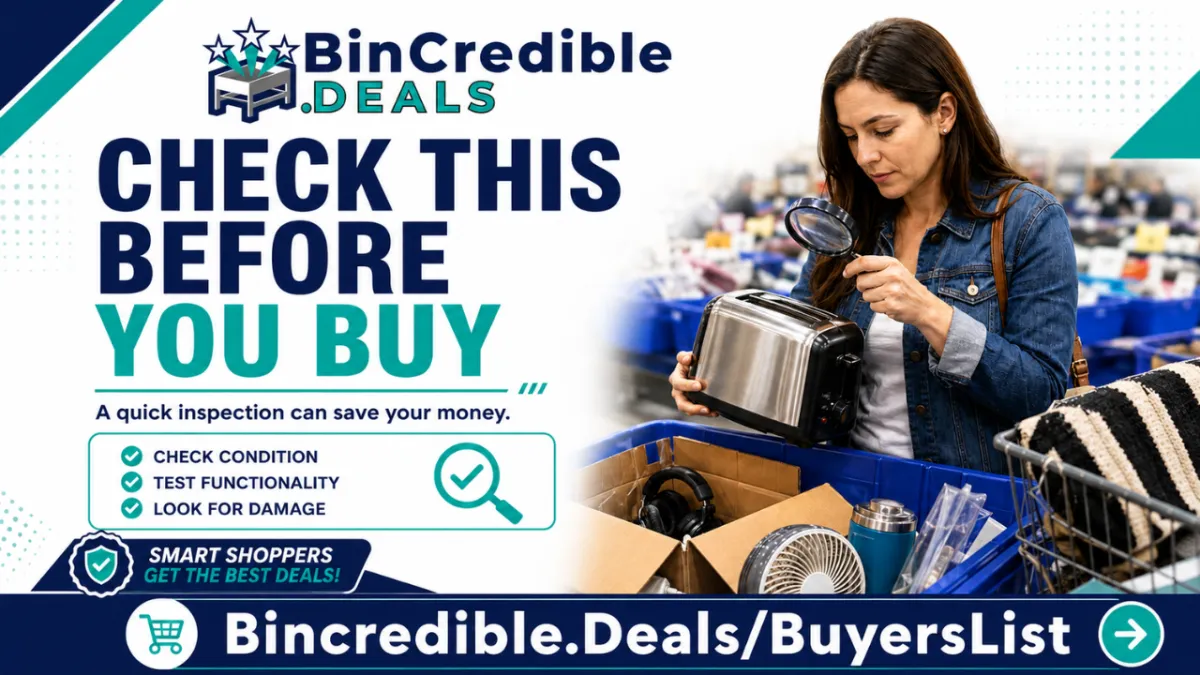
Start by checking the outside. Look for cracks, dents, tears, leaks, stains, heavy wear, or other visible damage. For items with packaging, read the label and compare it with what is actually inside. A box may show a complete set even when one piece is missing.
Next, identify the parts that matter. Does the item need a lid, charger, cord, remote, battery cover, adapter, attachment, or mounting hardware? Some missing pieces are easy to replace, while others may cost more than expected or make the product difficult to use.
Also confirm the model, size, and fit. A great deal on an accessory is not helpful if it does not match the device you own. Clothing, storage products, replacement parts, and home items should be checked for measurements or compatibility whenever possible.
Decide Whether the Condition Works for You
“As-is” does not have the same meaning for every shopper because different people have different skills, needs, and comfort levels.
A reseller may be willing to clean an item, source a missing accessory, or complete a simple repair. A family shopping for something they need right away may prefer a more complete find. Someone looking for craft supplies may not care about damaged packaging, while a shopper choosing a gift may want the box to look better.
Ask yourself a few practical questions:
Can I use this item in its current condition?
Do I know what is missing?
Can I reasonably replace any needed part?
Will cleaning or repairing it take more time than I want to spend?
Does the item still make sense for my budget and purpose?
These questions turn an exciting find into an informed decision. They also help prevent a cheap purchase from becoming clutter at home.
Slow Down Before You Commit
The treasure hunt is part of the fun, and good finds can make shoppers want to decide quickly. However, a few extra seconds of inspection can protect your budget.
Move the item into better light if allowed. Check more than one side. Open the package carefully when store rules permit it, and make sure loose pieces are not hidden under cardboard or packing material. If you are comparing similar items, choose based on completeness and condition rather than appearance alone.
It also helps to keep your shopping goal in mind. If you came for household basics, tools, toys, or resale inventory, focus on finds that match that plan. A low-priced item is still unnecessary spending if you have no real use for it.
Shop Informed and Shop Confidently
The as-is model is easier to navigate when inspection becomes part of your normal bin store routine. You do not need to approach every item with suspicion. You simply need to pause, check, and decide based on what is actually in your hands.
That habit makes bargain shopping more enjoyable because you understand the tradeoff. You are not only hunting for the lowest number on a price tag. You are looking for useful value: the right item, in a condition you accept, at a price that fits your budget.
At BinCredible Deals, the treasure-hunt experience gives Georgia shoppers a chance to discover all kinds of affordable finds. Come prepared to dig, inspect, compare, and make the decision that is right for you.
Want to know when new deals and updates are available? Join the BinCredible Deals Buyer List and stay connected.
Frequently Asked Questions
1. What does “sold as-is” mean?
It means you are purchasing the item in its current condition. The shopper is responsible for checking its condition, completeness, and suitability before buying.
2. Does “as-is” mean the item is broken?
Not necessarily. An as-is item may be unused, open-box, missing packaging, slightly worn, incomplete, or in need of cleaning or repair. Each item should be inspected individually.
3. Why do bin stores sell items as-is?
The as-is model keeps the shopping process simple and helps bin stores offer merchandise at discounted prices. Shoppers take an active role in evaluating each find.
4. What should I check before buying an as-is item?
Look for cracks, dents, leaks, stains, tears, heavy wear, and missing pieces. Confirm that essential accessories such as cords, chargers, lids, remotes, adapters, and attachments are included.
5. Can damaged packaging still contain a good item?
Yes. A damaged or open box does not automatically mean the product inside is damaged. Check the actual item and its contents instead of judging it only by the packaging.
6. How do I know if an item is complete?
Compare the contents with the product label, packaging, or included instructions. Pay special attention to small parts and accessories that may be necessary for the item to work properly.
7. Should I check the model, size, or compatibility?
Yes. Make sure the model, measurements, size, and connections work with what you already own. Even a low-priced item is not a good deal if it does not fit your needs.
8. Can I test an as-is item before buying it?
Testing options depend on the store and the type of item. Follow posted rules and ask a team member what inspection or testing is permitted before making your purchase.
9. Can as-is items be returned or exchanged?
Return and exchange policies vary by store. Review the posted policy or ask a team member before buying so you clearly understand what applies.
10. How can I shop confidently when buying as-is?
Slow down, inspect every side, check for missing parts, and consider any cleaning or repair costs. Buy only when the item’s condition, usefulness, and price make sense for you.
